

Art can preserve something that words sometimes cannot.
An artist can take an experience, memory, question or emotion and turn it into an image.
Across Africa and the diaspora, artists are using different forms to explore what it means to live, remember, belong and create.
Contemporary African art cannot be reduced to one style.
There are artists working with traditional influences.
Others work with abstraction.
Some use photography.
Others use digital technology, installation, sculpture or mixed media.
Some focus heavily on African history.
Others focus on ordinary contemporary life.
Art and identity
For many artists, identity becomes part of the creative process.
But identity does not always mean producing work that looks traditionally African.
An artist may explore migration.
Another may explore family.
Another may question colonial history.
Another may examine gender, politics, religion, memory or modern African cities.
Another may simply paint everyday people.
All of these can become part of the wider story of African creativity.
The importance of the studio
The finished artwork is only one part of the story.
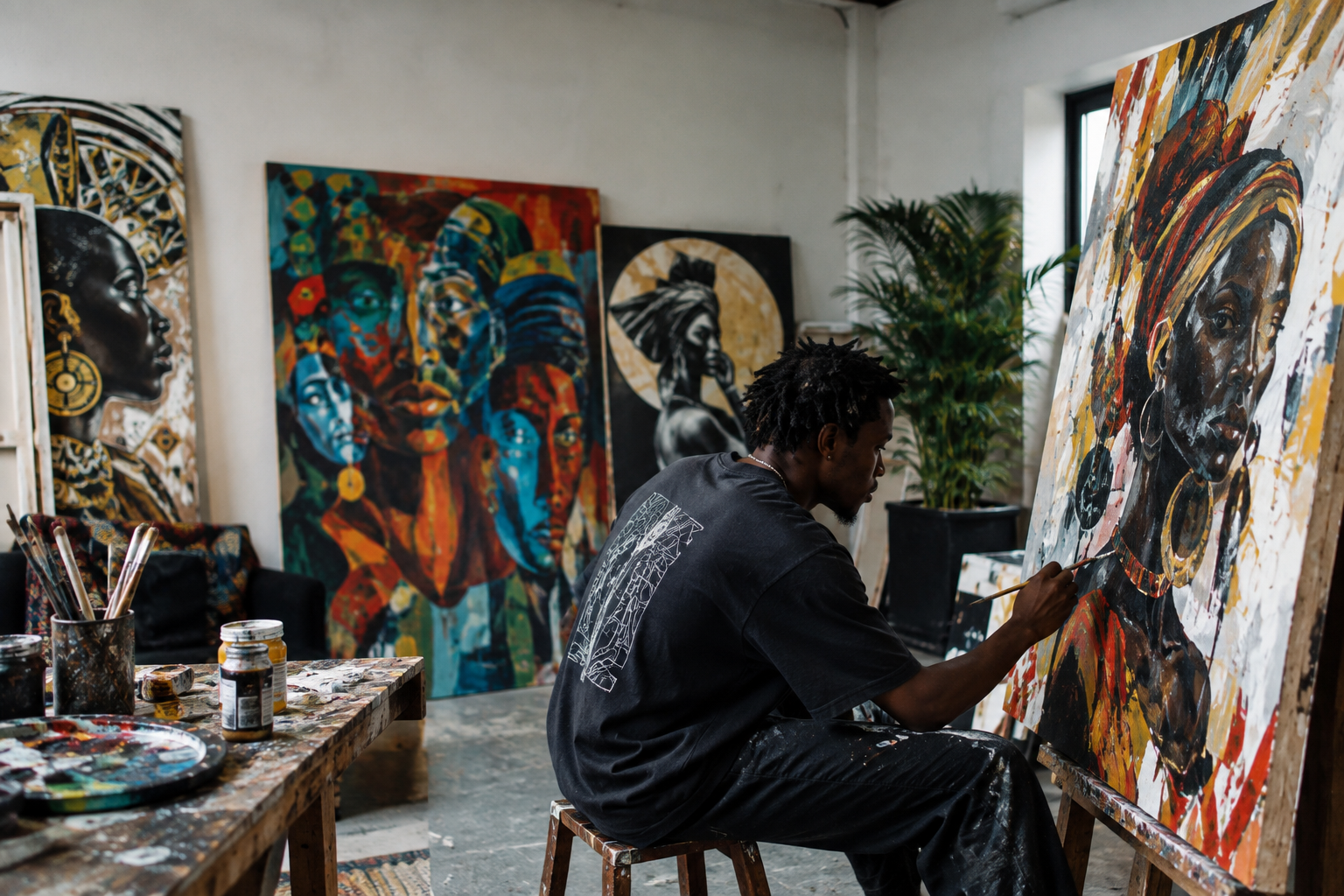
The studio reveals the process.
Paint on the floor.
Sketches.
Rejected ideas.
Unfinished canvases.
Books.
Photographs.
Music playing in the background.
Conversations.
These details help audiences understand how creative work develops.
This is where photography and video can become especially valuable for Echoes.
Instead of only photographing the finished artwork, the publication can document the artist creating it.
African art and the global audience
African artists are increasingly being seen by audiences outside the continent.
But international attention also creates important questions.
Who tells the story of the artist?
How is the work described?
Is the artist’s own explanation being heard?
Is the work being understood within its cultural context?
Echoes can contribute by putting artists and their ideas at the centre of the story.
The goal is not to explain African art to the world from a distance.
It is to create space for artists to explain what they are doing and why.
The future of African creativity
African art is not only about preserving the past.
It is also about imagining the future.
Artists are experimenting with technology, new materials, new platforms and new audiences.
Young creatives are building careers through galleries, social media, independent studios, fashion, music, film and digital platforms.
The boundaries between art forms are becoming increasingly fluid.
A painter can work with a musician.
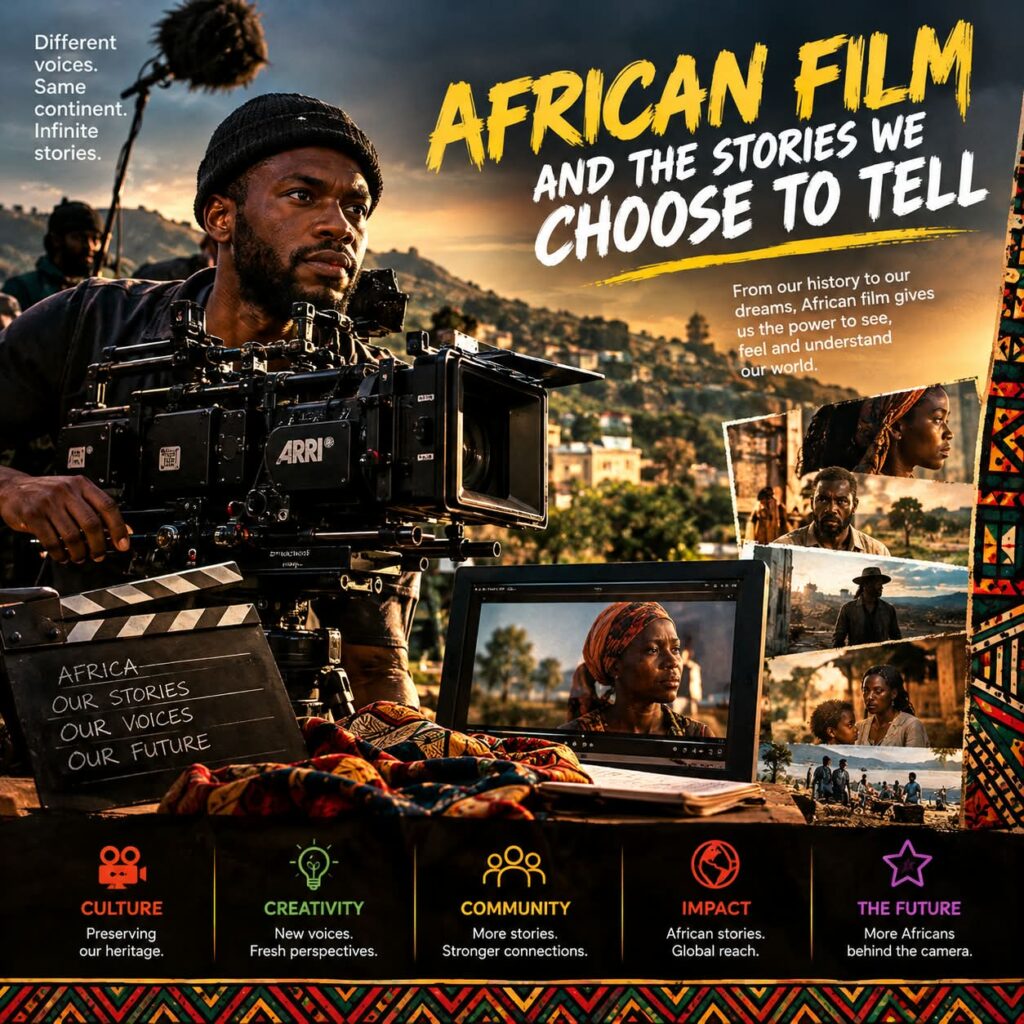
A photographer can become a filmmaker.
A fashion designer can collaborate with an artist.
A digital creator can build an entire visual world around an album.
This interconnected creativity is part of the contemporary African cultural landscape.
Echoes perspective:
African art should not only be viewed as a record of where Africa has been. It is also evidence of where African creativity is going.

